Eastbound and Down Episodes: Baseball Chaos
- 1.
How Eastbound and Down Redefined the Antihero Through Its Episodes
- 2.
The Cultural Impact of Eastbound and Down Episodes on American Comedy
- 3.
Behind the Scenes: Writing and Filming the Chaos of Eastbound and Down Episodes
- 4.
Character Evolution Across Eastbound and Down Episodes
- 5.
Memorable Moments That Defined Eastbound and Down Episodes
- 6.
The Role of Music in Elevating Eastbound and Down Episodes
- 7.
Fan Theories and Hidden Details in Eastbound and Down Episodes
- 8.
Critical Reception and Awards History of Eastbound and Down Episodes
- 9.
Where to Stream All Seasons of Eastbound and Down Episodes Legally
- 10.
Why Fans Keep Coming Back to Eastbound and Down Episodes Years Later
Table of Contents
eastbound and down episodes
How Eastbound and Down Redefined the Antihero Through Its Episodes
The Rise (and Crash) of a Southern Baseball Burnout
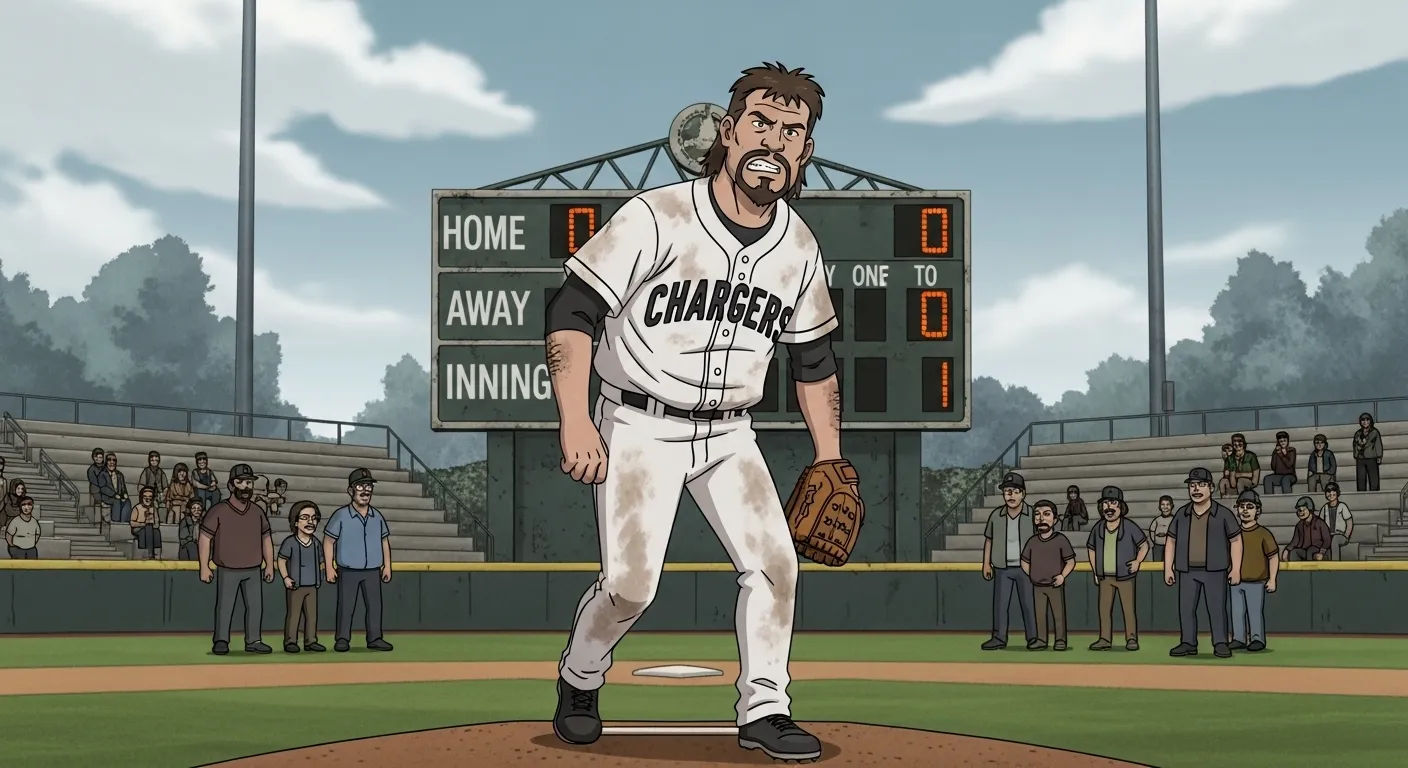
When we first meet Kenny Powers in the pilot episode of eastbound and down episodes, he’s not just washed-up—he’s marinated in failure, ego, and Aqua Net. The show doesn’t tiptoe around his flaws; it slathers them in barbecue sauce and serves ‘em with a side of denial. Unlike your typical TV antihero brooding in a trench coat, Kenny struts around in cutoff jeans and a perpetual sneer, yelling about “the juice” like it’s holy water. Each eastbound and down episode peels back another layer of his delusion, revealing a man who thinks redemption means getting back on ESPN, not fixing his relationships. And yet… we root for him. Maybe because deep down, we’ve all had a Kenny Powers moment—thinking we’re the main character while tripping over our own hubris.
The Cultural Impact of Eastbound and Down Episodes on American Comedy
From Cringe to Canon: How Kenny Powers Changed the Game
Before eastbound and down episodes rolled onto HBO like a ’78 Trans Am with bald tires, TV comedy played it safe. Sure, there were edgy shows, but none dared to make their lead so unapologetically awful—and hilarious. Kenny’s brand of Southern-fried narcissism became a blueprint for future comedies that embraced discomfort as a punchline. Think about it: without eastbound and down episodes, would we have characters like Barry Berkman or even Fleabag’s chaotic charm? Probably not. The series didn’t just push boundaries—it lit them on fire, poured cheap whiskey on the flames, and laughed while the whole thing burned down. Critics initially called it “too much,” but fans knew better: it was *just* enough.
Behind the Scenes: Writing and Filming the Chaos of Eastbound and Down Episodes
How Real-Life Baseball Drama Fueled Fictional Mayhem
The writers’ room for eastbound and down episodes must’ve smelled like stale beer, regret, and genius. Co-creators Ben Best, Jody Hill, and Danny McBride drew from real minor-league baseball culture—the loneliness, the ego, the bizarre rituals—to craft a world that felt terrifyingly authentic. Many eastbound and down episodes were inspired by actual anecdotes from players who’d seen careers implode faster than a popped fastball. McBride himself spent time hanging out with ex-ballplayers in the Carolinas, soaking up their tall tales and tragicomic outlooks. That dedication bled into every frame, making even Kenny’s most outrageous rants feel grounded in a strange kind of truth. You ain’t just watching fiction—you’re peeking into a parallel universe where every swing-and-miss becomes a metaphor for life.
Character Evolution Across Eastbound and Down Episodes
From Ego Monster to… Slightly Less Ego Monster?
Over four seasons and 29 eastbound and down episodes, Kenny Powers undergoes what can only be described as “glacial emotional growth.” He starts as a full-blown sociopath with a fastball, then slowly—*so slowly*—learns that maybe, just maybe, other people exist outside his reflection. His relationship with April, his long-suffering brother Dustin, and even his son Toby become the shaky scaffolding for his redemption arc. But don’t get it twisted: Kenny never becomes a “good guy.” He just stops being *actively evil* most of the time. That’s the beauty of eastbound and down episodes—they refuse to give us a tidy transformation. Instead, they offer something messier, more human: a man stumbling toward decency while still yelling about “the juice” in third person.
Memorable Moments That Defined Eastbound and Down Episodes
When Kenny Rode Into the Sunset (Literally)
Ask any fan to name their favorite scene from eastbound and down episodes, and you’ll get a dozen answers—but they’ll all involve Kenny doing something gloriously stupid. Remember when he faked his own death? Or when he tried to sell “Kenny Powers Energy Juice” out of a van? Or that time he gave a motivational speech to middle schoolers while high on painkillers? These moments aren’t just funny—they’re cultural artifacts. They capture the absurdity of American masculinity, the desperation of faded fame, and the weird hope that lingers even in the dumbest choices. And let’s not forget the finale: Kenny riding off on a horse like some deranged cowboy, leaving behind chaos and a faint whiff of redemption. Pure poetry, y’all.
The Role of Music in Elevating Eastbound and Down Episodes
How Soundtracks Amplified the Show’s Southern Grit
You can’t talk about eastbound and down episodes without tipping your cap to the killer soundtrack. From Lynyrd Skynyrd to Waylon Jennings, the music isn’t just background noise—it’s a character in its own right. Every guitar riff and pedal steel moan mirrors Kenny’s inner turmoil (or lack thereof). The opening theme alone—“I’m Comin’ Home” by Ronnie Milsap—sets the tone: nostalgic, defiant, and slightly unhinged. In later eastbound and down episodes, the score leans into melancholy, using sparse piano and twangy strings to underscore Kenny’s rare moments of vulnerability. It’s like the music knows he’s a clown, but still believes he might have a soul buried under all that ego and body spray.
Fan Theories and Hidden Details in Eastbound and Down Episodes
What the Mullet Really Symbolizes (Yes, Really)
Die-hard fans of eastbound and down episodes have spent years dissecting every frame, and honestly? They’re onto something. Take Kenny’s mullet—it’s not just a hairstyle; it’s a metaphor for his duality. Business in the front (his fleeting attempts at responsibility), party in the back (his eternal commitment to chaos). Others point to recurring symbols: the horse, the desert, the ever-present baseball glove. Even Kenny’s obsession with “the juice” could be read as a commentary on America’s addiction to quick fixes and empty promises. And did you notice how often mirrors appear in eastbound and down episodes? Kenny’s always checking himself out—not because he’s vain (okay, partly), but because he’s searching for someone he can actually recognize. Deep stuff for a show where a man once tried to bribe a principal with moonshine.
Critical Reception and Awards History of Eastbound and Down Episodes
From Polarizing Premiere to Cult Classic Status
When eastbound and down episodes first dropped in 2009, critics were split faster than a fastball down the middle. Some called it “juvenile” and “mean-spirited”; others hailed it as “a bold new voice in comedy.” Over time, though, the tide turned. By season three, eastbound and down episodes were earning rave reviews for their sharp writing, fearless performances, and emotional depth beneath the raunch. Though it never snagged major Emmys, the show built a devoted following and influenced a generation of creators. Today, it’s taught in film schools alongside works by Cassavetes and Altman—not because it’s refined, but because it’s raw, real, and unafraid to swing for the fences, even if it strikes out gloriously.
Where to Stream All Seasons of Eastbound and Down Episodes Legally
Your Guide to Binge-Watching Without Breaking the Law (or Your Conscience)
If you’re itching to revisit—or discover—the glorious trainwreck of eastbound and down episodes, you’re in luck. As of 2026, all four seasons are available on Max (formerly HBO Max) in the U.S. for a monthly fee of around $15.99 USD. No shady torrents, no sketchy pop-ups—just pure, uncut Kenny Powers, legally delivered to your screen. And trust us, watching eastbound and down episodes in HD makes every sweat bead on Kenny’s forehead feel like a cinematic event. Pro tip: pair it with sweet tea and zero expectations of moral uplift. You’re here for chaos, not a sermon.
Why Fans Keep Coming Back to Eastbound and Down Episodes Years Later
The Enduring Appeal of a Flawed, Funny, and Familiar Loser
So why do we keep rewinding eastbound and down episodes like Kenny’s life is a VHS tape stuck on loop? Simple: because Kenny Powers is us—at our worst, our funniest, and our most tragically hopeful. He’s the guy who thinks he’s owed greatness but keeps tripping over his own ego. He’s loud, selfish, and occasionally kind in the most awkward way possible. In a world of polished influencers and curated personas, eastbound and down episodes offer something refreshingly ugly and honest. Plus, let’s be real—there’s nothing quite like hearing Kenny scream “I’m back, baby!” while crashing a little league game. For more on chaotic TV icons, check out Suzzanne Douglas, explore our Films category, or dive into our deep-dive on David Spade TV Sitcom Snarky Star.
Frequently Asked Questions
Is Eastbound and Down funny?
Absolutely—if you’ve got a stomach for dark, cringe-heavy humor. Eastbound and down episodes thrive on uncomfortable laughs, absurd situations, and Kenny Powers’ unchecked ego. It’s not “ha-ha” funny; it’s “oh-God-why-am-I-laughing” funny. But that’s the charm. The show’s comedic timing, sharp writing, and Danny McBride’s committed performance make eastbound and down episodes a masterclass in antihero comedy.
Where can I watch all seasons of Eastbound and Down?
All four seasons of eastbound and down episodes are currently streaming on Max (HBO’s platform) in the United States. Subscriptions start at $15.99 USD per month, giving you access to the entire catalog—including bonus features and behind-the-scenes content. Just search “Eastbound and Down” and prepare for a wild ride. No cable required, just a strong tolerance for mullets and moral ambiguity.
Why is the show called Eastbound and Down?
The title Eastbound and Down comes from the 1977 song “East Bound and Down” by Jerry Reed, famously featured in the trucker film *Smokey and the Bandit*. The phrase captures Kenny Powers’ journey: heading east (from Mexico back to North Carolina) while spiritually and professionally “down on his luck.” Each eastbound and down episode echoes this duality—movement forward paired with personal collapse. It’s a nod to Southern road culture and the idea that sometimes, going home is the hardest trip of all.
Who is Kenny Powers based on?
Kenny Powers isn’t based on one real person but is a composite of washed-up athletes, Southern bravado, and exaggerated male ego. Co-creator Danny McBride has said they drew inspiration from real minor-league pitchers, steroid-era MLB figures, and even local legends from the Carolinas who talked big but never made it. While no single player matches Kenny exactly, the spirit of eastbound and down episodes lives in every athlete who believed fame was forever—until it wasn’t.
References
- https://www.hbo.com/eastbound-and-down
- https://www.rollingstone.com/tv/tv-reviews/eastbound-and-down-review-247231/
- https://www.vulture.com/article/eastbound-and-down-series-finale-recap.html
- https://www.indiewire.com/features/general/eastbound-and-down-legacy-danny-mcbride-1234602211/