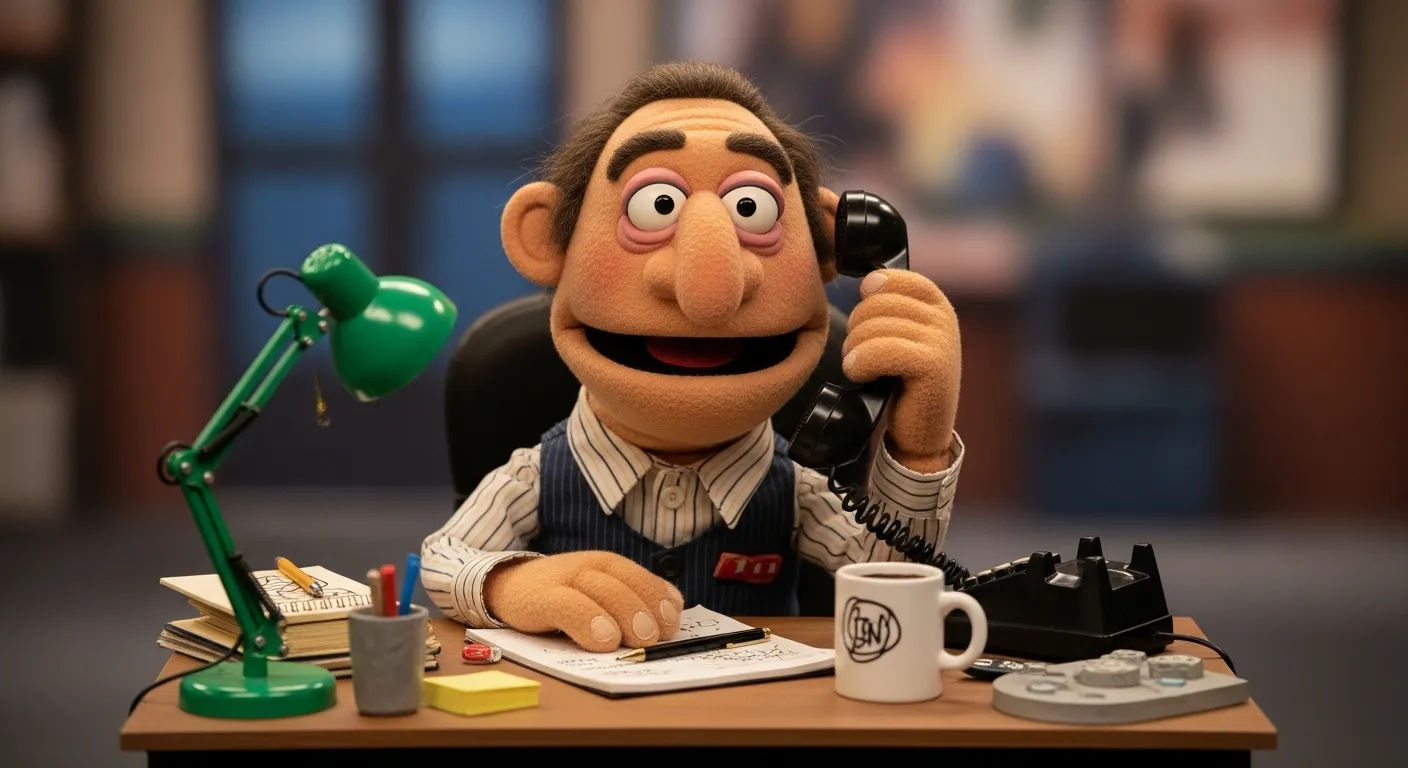
1970s British Comedy TV Shows: Retro Wit
- 1.
How the Spirit of the 1970s Shaped British Comedy TV Shows
- 2.
The Rise of the Sitcom: Why 1970s British Comedy TV Shows Dominated Living Rooms
- 3.
Iconic Duos and Troupes Behind 1970s British Comedy TV Shows
- 4.
Working-Class Wit: The Heartbeat of 1970s British Comedy TV Shows
- 5.
Gender Roles and Satire in 1970s British Comedy TV Shows
- 6.
The Soundtrack of Laughter: Music and Catchphrases in 1970s British Comedy TV Shows
- 7.
International Appeal: How 1970s British Comedy TV Shows Crossed the Pond
- 8.
Censorship, Controversy, and the Limits of 1970s British Comedy TV Shows
- 9.
The Legacy of 1970s British Comedy TV Shows in Modern Television
- 10.
Must-Watch 1970s British Comedy TV Shows for Newcomers
Table of Contents
1970s British comedy tv shows
How the Spirit of the 1970s Shaped British Comedy TV Shows
The socio-political backdrop of 1970s British comedy tv shows
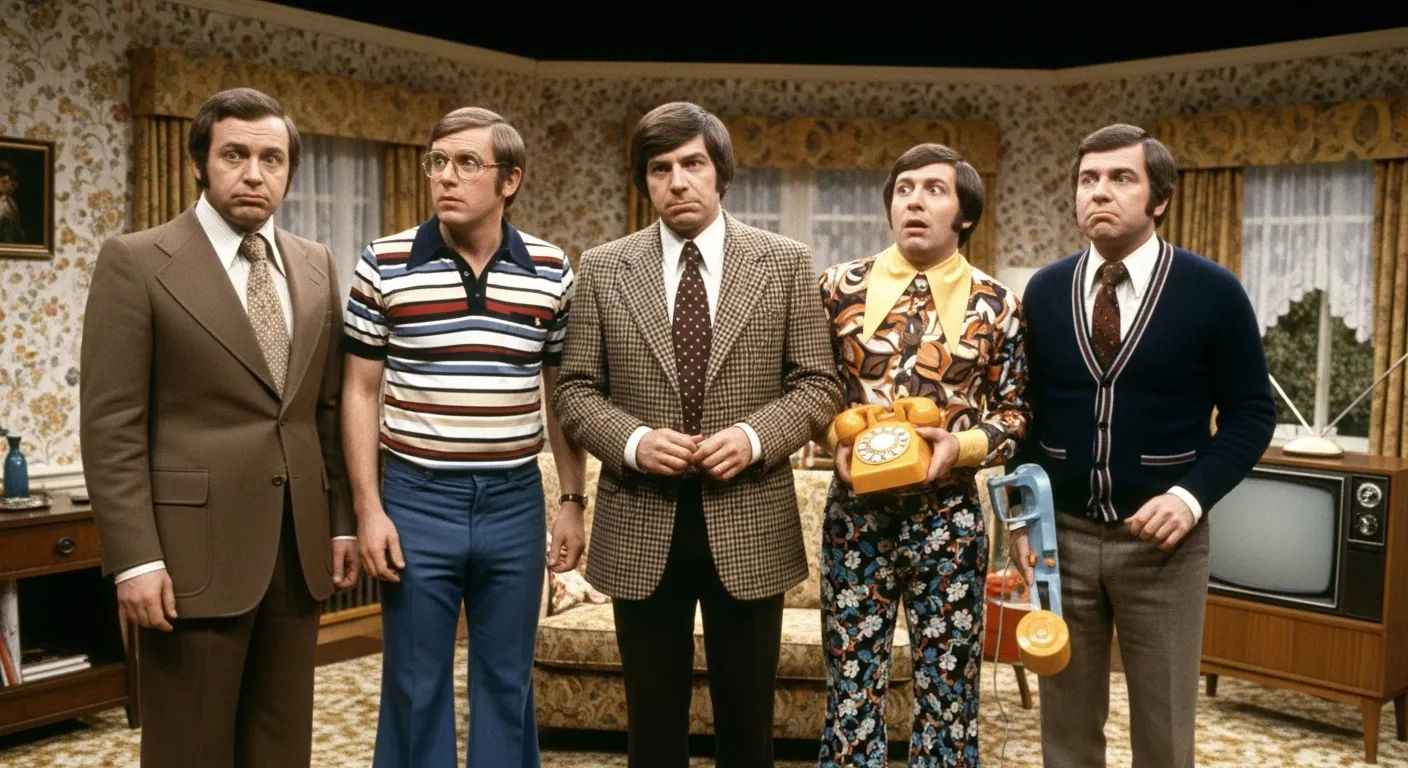
The 1970s in Britain weren’t exactly sunshine and roses—strikes, power cuts, and three-day workweeks were the norm. But instead of drowning in gloom, Brits turned to the telly for relief, and writers responded with razor-sharp wit wrapped in cozy domestic settings. The 1970s British comedy tv shows became mirrors held up to society: exaggerated, cracked, but always honest. Whether it was poking fun at class divides or lampooning bureaucracy, these shows used humor as both armor and antidote.
The Rise of the Sitcom: Why 1970s British Comedy TV Shows Dominated Living Rooms
From radio roots to telly triumphs in 1970s British comedy tv shows
Many of the legends behind 1970s British comedy tv shows cut their teeth on radio—think “The Goon Show” or “Hancock’s Half Hour.” By the time colour broadcasting rolled in, these veterans had perfected timing, character, and that dry delivery only Brits can pull off without sounding sarcastic (well, mostly). The transition to television wasn’t just technical—it was cultural. Suddenly, Auntie Beeb wasn’t just a voice; she was a face, a flat, a whole world of misfits and mumsy types arguing over tea.
Iconic Duos and Troupes Behind 1970s British Comedy TV Shows
Monty Python, Morecambe & Wise, and the art of ensemble chaos in 1970s British comedy tv shows
You couldn’t swing a rubber chicken in the 70s without hitting a legendary comedy duo or troupe. Take Monty Python—their surreal sketches in *Monty Python’s Flying Circus* redefined what 1970s British comedy tv shows could be: anarchic, intellectual, and gloriously silly. Meanwhile, Morecambe & Wise brought warmth and musical mayhem into millions of homes every Christmas. Their chemistry? Pure magic. These weren’t just performers—they were national treasures stitching laughter into the fabric of daily life through 1970s British comedy tv shows.
Working-Class Wit: The Heartbeat of 1970s British Comedy TV Shows
Why shows like “Porridge” and “Rising Damp” resonated through 1970s British comedy tv shows
There’s something deeply relatable about a bloke stuck in a cell complaining about lukewarm porridge—or a landlord forever scheming in a shabby boarding house. *Porridge* and *Rising Damp* weren’t glamorous, but they were real. The 1970s British comedy tv shows rooted in working-class life struck a chord because they showed ordinary people navigating absurd systems with nothing but sarcasm and stubborn dignity. Ronnie Barker’s Fletcher didn’t just crack jokes—he survived. And that, mates, is the essence of British resilience wrapped in a punchline.
Gender Roles and Satire in 1970s British Comedy TV Shows
How “The Good Life” and “Butterflies” challenged norms via 1970s British comedy tv shows
While some 1970s British comedy tv shows leaned into traditional roles, others quietly subverted them. *The Good Life* featured Barbara Good—a woman who ditched suburban drudgery to grow her own spuds and raise pigs, all while wearing fabulous dungarees. Then there was *Butterflies*, where Ria grappled with midlife ennui and unspoken desires, years before “self-care” became a buzzword. These shows used the guise of light comedy to ask big questions: What if women wanted more than just a clean kitchen? What if happiness wasn’t found in a Hoover bag? Through gentle satire, 1970s British comedy tv shows nudged society forward—one chuckle at a time.
The Soundtrack of Laughter: Music and Catchphrases in 1970s British Comedy TV Shows
Memorable themes and lines that defined 1970s British comedy tv shows
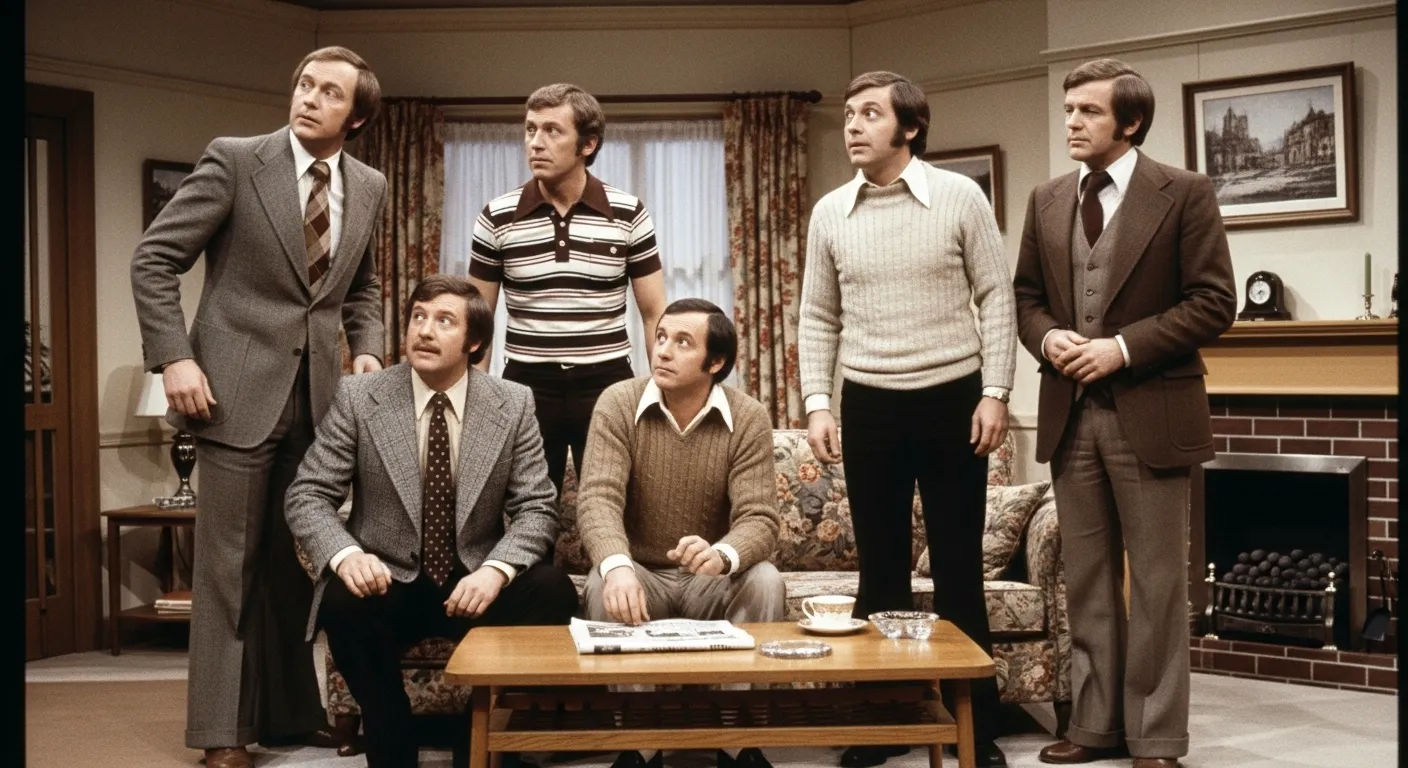
Can you hear the jaunty piano of *Fawlty Towers* without picturing Basil flailing like a startled flamingo? Or the whimsical flute of *The Good Life* without smelling compost? The music in 1970s British comedy tv shows wasn’t just background—it was emotional shorthand. And let’s not forget the catchphrases: “I’m free!” from *Open All Hours*, “Don’t mention the war!” from *’Allo ’Allo!*, or Del Boy’s “Lovely jubbly.” These lines seeped into everyday speech, turning viewers into unwitting participants in the joke. That’s the power of well-crafted 1970s British comedy tv shows—they don’t just end when the credits roll; they live on in your lingo.
International Appeal: How 1970s British Comedy TV Shows Crossed the Pond
From BBC exports to global cult followings of 1970s British comedy tv shows
Yanks might’ve had *Happy Days*, but they quickly fell head over heels for Basil Fawlty’s tantrums and Dad’s Army’s bumbling Home Guard. Thanks to PBS and clever syndication, 1970s British comedy tv shows found a second home across the Atlantic. Americans loved the eccentricity, the understatement, the way a simple “Oh dear” could convey utter catastrophe. Shows like *Are You Being Served?* became late-night staples, proving that humour—when rooted in character and truth—needs no translation. Even today, streaming services keep these classics alive, introducing new generations to the timeless joy of 1970s British comedy tv shows.
Censorship, Controversy, and the Limits of 1970s British Comedy TV Shows
What got cut—and what slipped through—in 1970s British comedy tv shows
Let’s be real: some gags in 1970s British comedy tv shows wouldn’t fly today. Jokes about gender, race, or disability were often played for laughs without a second thought. The BBC and ITV had standards, sure, but the line was… fuzzy. Yet within those constraints, writers pushed boundaries. *Till Death Us Do Part* tackled racism head-on—even if its methods now feel dated. The tension between what could be said and what needed to be said gave many 1970s British comedy tv shows an edge. They weren’t just funny; they were provocative, sometimes uncomfortably so. And that friction? That’s where growth begins.
The Legacy of 1970s British Comedy TV Shows in Modern Television
How today’s comedies owe a debt to 1970s British comedy tv shows
Ever notice how *Derry Girls* uses chaos to explore politics, or how *Derek* finds grace in the mundane? That’s the DNA of 1970s British comedy tv shows at work. Modern creators cite *Fawlty Towers* as a masterclass in farce, *Porridge* as a blueprint for character-driven storytelling. Even the mockumentary style of *The Office* owes a nod to the observational realism pioneered decades earlier. The legacy isn’t imitation—it’s evolution. Today’s comedies may have better cameras and diverse casts, but their soul? Still steeped in the wit, warmth, and wry despair of those glorious 1970s British comedy tv shows.
Must-Watch 1970s British Comedy TV Shows for Newcomers
A curated starter pack of essential 1970s British comedy tv shows
If you’re dipping your toes into the world of 1970s British comedy tv shows, start here:
- Fawlty Towers – Two seasons, twelve episodes, infinite genius.
- Porridge – Prison has never been this funny (or philosophical).
- The Good Life – Sustainability with slapstick.
- Dad’s Army – Walmington-on-Sea’s finest (and frailest) defenders.
- Only Fools and Horses – Technically debuted in 1981, but its spirit was forged in the 70s; plus, Del Boy’s schemes feel like a natural extension of the era’s hustler ethos.
And hey, once you’ve binged these, why not explore more? Head back to the Suzzanne Douglas homepage for fresh takes on vintage entertainment. Dive deeper into our Films category, or laugh your socks off with our guide to the best funny TV series for nonstop laughs. Trust us—your funny bone will thank you.
Frequently Asked Questions
What were the British comedies in the 1970s?
The 1970s British comedy tv shows lineup included iconic series like Fawlty Towers, Porridge, Dad’s Army, The Good Life, Rising Damp, Are You Being Served?, and Morecambe & Wise. These shows blended satire, slapstick, and social commentary, becoming cornerstones of British television history through their unique brand of 1970s British comedy tv shows.
Who were the famous British comedians of the 60s and 70s?
Legends like John Cleese, Ronnie Barker, Eric Morecambe, Ernie Wise, David Jason, Leonard Rossiter, and Benny Hill dominated the scene. Their work in 1970s British comedy tv shows—from sketch troupes to sitcom leads—cemented their status as pioneers of British humor, influencing generations with their timing, physicality, and wit in 1970s British comedy tv shows.
What were the top 5 shows in the 1970s?
Based on ratings, cultural impact, and enduring popularity, the top 5 1970s British comedy tv shows are widely considered to be: Fawlty Towers, Porridge, Dad’s Army, The Good Life, and Morecambe & Wise. Each show exemplified the era’s blend of character depth, social observation, and comedic brilliance that defines 1970s British comedy tv shows.
What are some iconic British comedy shows?
Iconic British comedy shows span decades, but the 1970s British comedy tv shows stand out for their innovation and influence. Series like Fawlty Towers (with its masterful farce), Monty Python’s Flying Circus (for surreal absurdity), and Porridge (for humanizing incarceration) remain benchmarks. Their legacy lives on in modern comedy, proving the timeless appeal of well-crafted 1970s British comedy tv shows.
References
- https://www.bbc.co.uk/historyofthebbc/anniversaries/july/dads-army-first-broadcast
- https://www.britishcomedysociety.org.uk/history-of-british-comedy
- https://www.pbs.org/wgbh/masterpiece/fawltytowers/
- https://www.screenonline.org.uk/tv/id/444325/index.html