TV British Comedies: Witty Classics
- 1.
“Did Someone Say Tea and Laughter?”: The Timeless Charm of tv british comedies
- 2.
From Pigeon Lofts to Parlour Rooms: The Golden Age of tv british comedies in the 1970s
- 3.
Icons in Cardigans and Clogs: What Makes a tv british comedy Truly Iconic?
- 4.
Laugh Tracks and Live Audiences: The Soundtrack of tv british comedies
- 5.
When the Whole Nation Tuned In: The Most Watched British Sitcom Episode Ever
- 6.
More Than Just Gags: Social Commentary Woven into tv british comedies
- 7.
Regional Flavours: How Dialects and Local Culture Shape tv british comedies
- 8.
The Art of the Awkward Pause: Why British Humour Stands Apart
- 9.
From VHS to Streaming: How tv british comedies Found New Life Online
- 10.
So, What *Is* the Most Famous British Sitcom of All Time?
Table of Contents
tv british comedies
“Did Someone Say Tea and Laughter?”: The Timeless Charm of tv british comedies
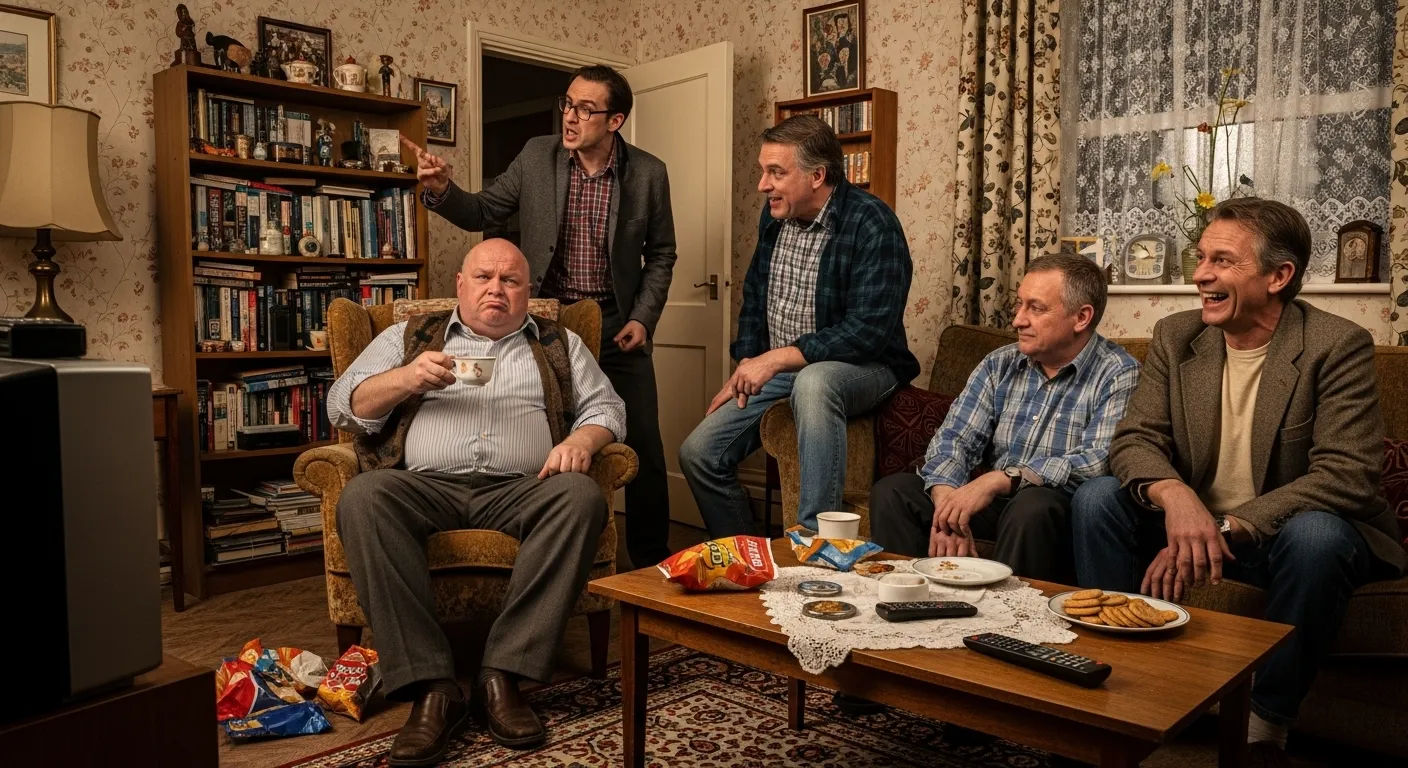
Ever walked into a room and heard someone cackling like Basil Fawlty chasing a misbehaving moose? Or caught your nan muttering, “I’m not ‘avin’ it!” while glaring at the telly? That, my friends, is the unmistakable magic of tv british comedies. These shows don’t just entertain—they stitch themselves into the very fabric of British life, from council flats in Manchester to posh parlours in Bath. With their dry wit, absurd scenarios, and characters so real you’d swear they nicked your neighbour’s jumper, tv british comedies have carved out a legacy that’s equal parts hilarious and heartfelt. Whether you’re binging reruns or stumbling upon a gem from the '70s, there’s always a cuppa and a chuckle waiting.
From Pigeon Lofts to Parlour Rooms: The Golden Age of tv british comedies in the 1970s
The 1970s weren’t just flares, glam rock, and questionable wallpaper—they were the golden cradle of tv british comedies. Shows like *Fawlty Towers*, *Porridge*, and *The Good Life* didn’t just dominate the airwaves; they redefined what comedy could be. Imagine John Cleese stomping around a hotel like a man possessed by a disgruntled badger—that’s tv british comedies at its chaotic best. Back then, writers weren’t afraid to blend social commentary with slapstick, giving us laughs that lingered long after the credits rolled. And let’s not forget the glorious regional accents—Geordie, Scouse, Brummie—each adding its own spice to the punchline stew. If you’ve ever wondered, “What were the old British comedy shows in the 70s?”—well, mate, you’re looking at a treasure trove of awkward silences, bureaucratic nightmares, and DIY disasters that still hold up today.
Icons in Cardigans and Clogs: What Makes a tv british comedy Truly Iconic?
Not every show earns the right to be called “iconic.” For a tv british comedy to reach that status, it needs more than just gags—it needs soul. Think *Only Fools and Horses*: Del Boy’s dodgy deals and Rodney’s wide-eyed panic weren’t just funny; they were a mirror to working-class dreams in Thatcher’s Britain. Or *Dad’s Army*, where Home Guard blunders masked the quiet heroism of ordinary blokes during wartime. These tv british comedies endure because they’re rooted in truth—whether it’s the sting of unemployment, the chaos of family, or the eternal battle against bureaucracy. They’re not just shows; they’re cultural heirlooms passed down with a wink and a sigh.
Laugh Tracks and Live Audiences: The Soundtrack of tv british comedies
Ah, the laugh track—love it or loathe it, it’s part of the DNA of classic tv british comedies. Unlike American sitcoms that often leaned hard on canned laughter, many British shows filmed before live studio audiences, capturing genuine, unfiltered reactions. You can hear the gasps, the snorts, the occasional “oi!” from the back row. That authenticity made viewers at home feel like they were part of the gang. Even when the humour was dark or absurd—like Rigsby’s creepy landlord antics in *Rising Damp*—the shared laughter softened the edges. It’s this communal vibe that makes tv british comedies feel less like entertainment and more like a weekly visit from eccentric relatives.
When the Whole Nation Tuned In: The Most Watched British Sitcom Episode Ever
Picture this: Christmas Day, 1985. Snow dusts the rooftops, the turkey’s in the oven, and over 30 million people are glued to their tellys. Why? Because *EastEnders* hadn’t yet stolen the spotlight—and *Only Fools and Horses* dropped its Christmas special, “Yuppy Love.” But hold up—the most watched British sitcom episode of all time actually belongs to *The Two Ronnies* 1977 Christmas special, which pulled in a staggering 21.4 million viewers. Still, ask any Brit about peak tv british comedies viewing, and they’ll likely cite the 1996 *Only Fools and Horses* episode “Time On Our Hands,” which drew 24.3 million souls. That’s nearly half the UK population laughing at Del Boy’s latest get-rich-quick scheme gone sideways. In an age of streaming and splintered attention, that kind of unity feels almost mythical—like spotting a unicorn wearing wellies.
More Than Just Gags: Social Commentary Woven into tv british comedies
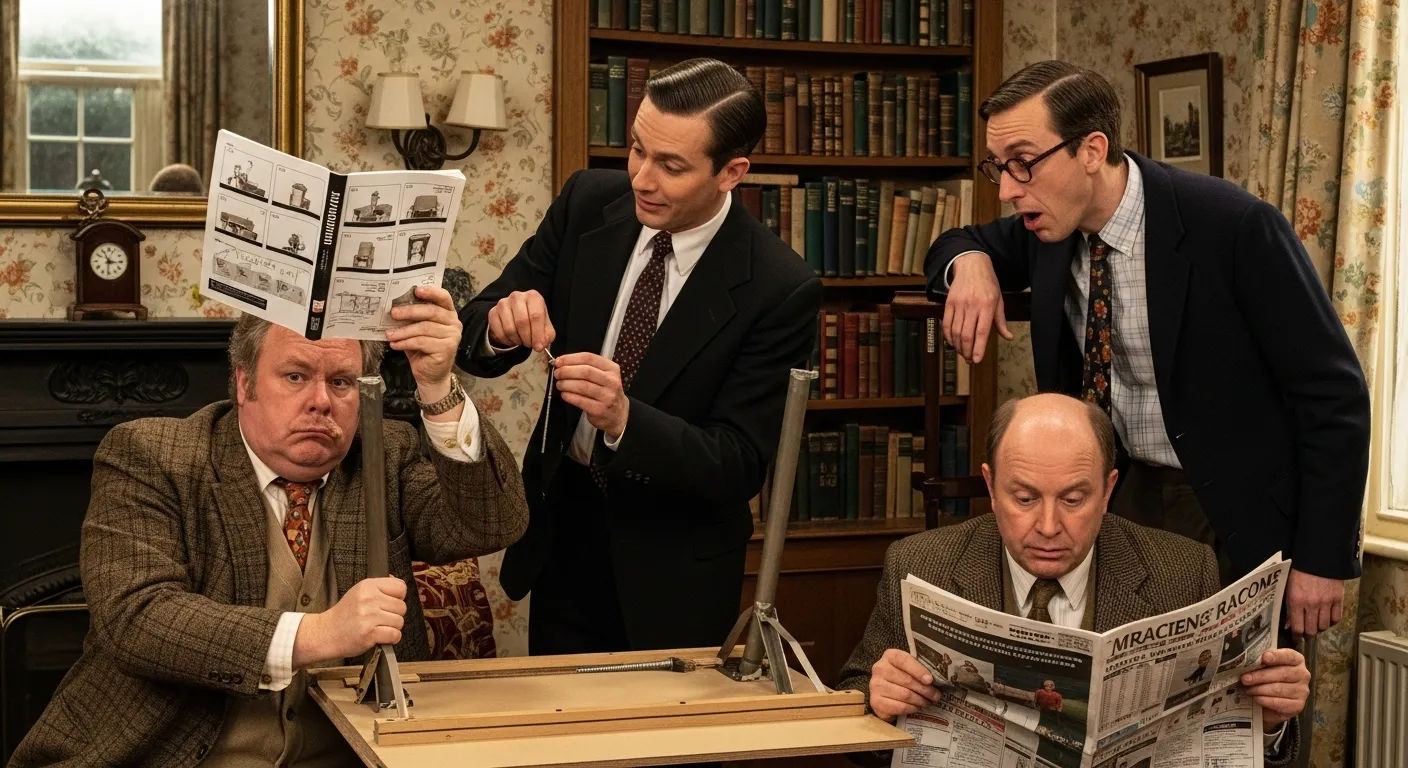
Beneath the pratfalls and puns, tv british comedies have always been sneaky little sociologists. *Till Death Us Do Part* tackled racism and generational divides head-on, using Alf Garnett’s bigoted rants to expose prejudice rather than endorse it. *Yes Minister* skewered Westminster with surgical precision, revealing how civil servants really run the country while ministers pose for photos. Even *Derry Girls*, though set in the ’90s, uses teenage chaos to explore life under The Troubles—with nuns, checkpoints, and smuggled mixtapes. These shows prove that tv british comedies aren’t just about making you snort your tea; they’re about holding a mirror to society, smudged with fingerprints and smeared with jam.
Regional Flavours: How Dialects and Local Culture Shape tv british comedies
You haven’t truly experienced tv british comedies until you’ve heard a Geordie say “howay” with perfect comedic timing or watched a Liverpudlian deliver a one-liner that lands like a feather duster to the soul. Regional identity isn’t just backdrop—it’s the engine. *Auf Wiedersehen, Pet* gave us lads from Newcastle rebuilding Germany with charm and chaos. *Still Game* brought Glasgow’s banter to life with pensioners trading insults like vintage whisky. Even the settings matter: a cramped flat in Peckham (*Only Fools*), a sleepy village in *To the Manor Born*, or a grimy pub in *Phoenix Nights*. These locales aren’t interchangeable—they’re characters in their own right, steeped in local slang, pride, and chip-shop wisdom. That’s what makes tv british comedies feel so grounded, even when the plots go off the rails.
The Art of the Awkward Pause: Why British Humour Stands Apart
While American comedies sprint from punchline to punchline, tv british comedies master the art of the excruciating pause—the moment when silence stretches so long you can hear your own heartbeat. Think Basil Fawlty frozen mid-rant, eyes twitching, or David Brent trying (and failing) to be cool in *The Office*. This discomfort isn’t accidental; it’s the essence of British humour. We laugh not because something’s outrageous, but because it’s painfully relatable. That bloke who says the wrong thing at the funeral? That’s us. That woman who pretends she knows wine but just sniffs the cork? Also us. Tv british comedies weaponise embarrassment, turning everyday cringe into catharsis. And honestly? We’re better for it.
From VHS to Streaming: How tv british comedies Found New Life Online
Remember rewinding VHS tapes with a pencil? Or setting the video recorder with the precision of a bomb squad? Today, tv british comedies live on BritBox, Netflix, and YouTube clips shared faster than gossip at a bus stop. Younger generations are discovering *Blackadder*’s historical roasts or *Father Ted*’s clerical chaos without ever touching a remote with sticky buttons. Streaming hasn’t just preserved these classics—it’s revitalised them. Memes quote Basil Fawlty’s “I’m not ‘avin’ it!”; TikTok edits sync *Derry Girls* montages to indie pop. The medium changed, but the laughter didn’t. In fact, tv british comedies might be reaching wider audiences now than during their original runs—proof that great writing transcends eras, formats, and even dodgy Wi-Fi.
So, What *Is* the Most Famous British Sitcom of All Time?
Ask ten Brits, get eleven answers—but if we’re talking cultural saturation, longevity, and universal recognition, Only Fools and Horses takes the crown. Created by John Sullivan, it ran from 1981 to 2003 (with specials stretching into the 2010s) and remains a national touchstone. Its blend of heart, hustle, and hilarity struck a chord that still echoes. Yet, purists might argue for *Fawlty Towers*—only 12 episodes, but each one a masterclass in farce. Or *Dad’s Army*, which comforted a nation through war and beyond. Honestly? The “most famous” depends on your postcode, your nan’s taste, and whether you prefer your comedy with a side of pathos or pure silliness. One thing’s certain: all these titans belong to the rich tapestry of tv british comedies. And hey, if you haven’t seen them yet, you’re in for a treat—start with Suzzanne Douglas, dive into our Films section, or jump straight to our deep dive on 1970s British Comedy TV Shows: Retro Wit That Still Slaps.
Frequently Asked Questions
What were the old British comedy shows in the 70s?
The 1970s gave us legendary tv british comedies like *Fawlty Towers*, *Porridge*, *The Good Life*, *Rising Damp*, *Dad’s Army* (which started in the late ’60s but peaked in the ’70s), and *Are You Being Served?*. These shows blended sharp writing with social observation, often using workplace or domestic settings to explore class, gender, and British eccentricity—all while keeping audiences in stitches.
What are some iconic British comedy shows?
Iconic tv british comedies include *Only Fools and Horses*, *Blackadder*, *The Office* (UK), *Derry Girls*, *Father Ted*, *Yes Minister*, and *Monty Python’s Flying Circus*. These series not only defined generations but also influenced global comedy with their unique blend of satire, character depth, and that signature British awkwardness.
What is the most watched British sitcom episode?
The most watched British sitcom episode is the 1996 *Only Fools and Horses* Christmas special “Time On Our Hands,” which drew 24.3 million viewers. This episode, part of the beloved tv british comedies canon, saw Del Boy and Rodney finally strike it rich—temporarily—capturing the nation’s imagination during a rare moment of collective viewing.
What is the most famous British sitcom of all time?
While debates rage in pubs across the land, *Only Fools and Horses* is widely regarded as the most famous British sitcom of all time. Its enduring popularity, emotional depth, and quotable lines cement its status within the pantheon of tv british comedies. That said, *Fawlty Towers* and *Dad’s Army* remain close contenders for their cultural impact and timeless humour.
References
- https://www.bbc.co.uk/comedy
- https://www.britishfilminstitute.org/tv-history
- https://www.ofcom.gov.uk/research-and-data/tv-and-radio-statistics
- https://www.screenonline.org.uk/tv/comedy