Recording Engineer Courses: Studio Secrets
- 1.
Why Enrolling in Recording Engineer Courses Is Your First Real Mic Drop
- 2.
The Hidden Curriculum: What Real Recording Engineer Courses Actually Teach You
- 3.
From Garage to Grammy: Can Recording Engineer Courses Really Launch Your Career?
- 4.
Online vs. In-Person: Which Recording Engineer Courses Give You More Bang for Your Buck?
- 5.
Cost vs. ROI: Are Recording Engineer Courses Worth the Investment?
- 6.
Self-Taught or Schooled? The Great Audio Engineering Debate
- 7.
Job Outlook: Are Recording Engineers Actually in Demand?
- 8.
Money Talk: Do Recording Engineers Make Good Cash?
- 9.
Global Hotspots for Top-Tier Recording Engineer Courses
- 10.
How to Choose the Right Recording Engineer Courses Without Getting Played
Table of Contents
recording engineer courses
Why Enrolling in Recording Engineer Courses Is Your First Real Mic Drop
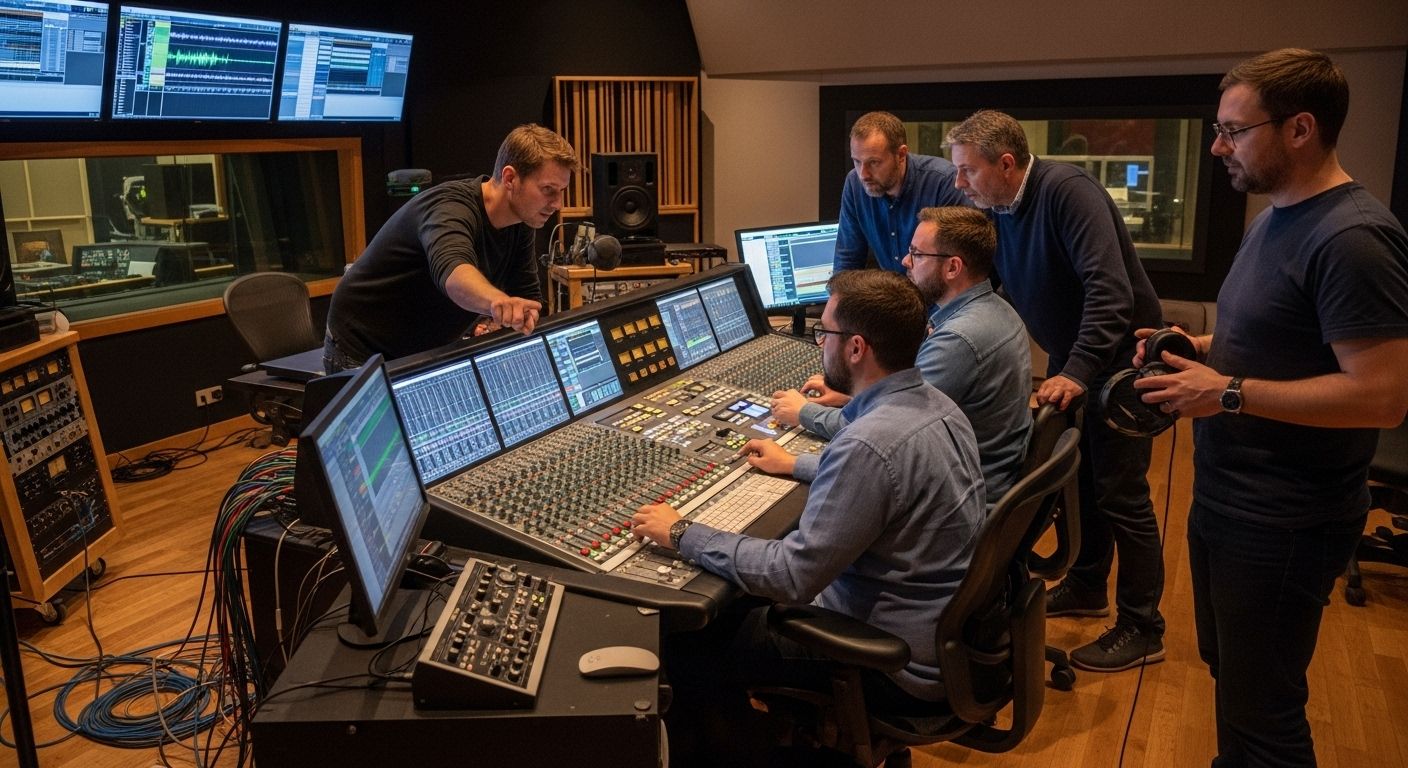
Let’s cut through the static: you can’t just wing it forever. Sure, YouTube tutorials and bedroom jam sessions are dope—but to stand tall in a field where ears are your résumé, structured recording engineer courses are your ticket in. These classes don’t just teach you how to press record; they school you on signal flow, mic placement, phase alignment, and the sacred art of making vocals *breathe*. Plus, most legit programs hook you up with hands-on studio time—because let’s be real, theory’s cool, but nothing beats blowing out a speaker IRL to learn what “clipping” really sounds like.
The Hidden Curriculum: What Real Recording Engineer Courses Actually Teach You
You might think recording engineer courses are all about Pro Tools shortcuts and EQ curves—and yeah, they cover that—but the *real* gold? The stuff nobody blogs about. Like how to read a producer’s mood from the way they sigh, or when to shut up and just *listen*. These courses sneak in soft skills: client communication, deadline hustle, even how to troubleshoot a busted interface at 2 a.m. without crying (much). That’s the unspoken syllabus—where recording engineer courses morph you from a tech nerd into a sonic storyteller with emotional intelligence and phantom power.
From Garage to Grammy: Can Recording Engineer Courses Really Launch Your Career?
Look, fame ain’t guaranteed—but opportunity is. Top-tier recording engineer courses often come with industry connections, internship pipelines, and guest lectures from folks who’ve mixed for Beyoncé or engineered for Radiohead. Some even partner with studios for job shadowing. And get this: grads from accredited programs land gigs 3x faster than self-taught hopefuls (yep, there’s data on that). So while you *could* go rogue, structured recording engineer courses stack the deck in your favor like a well-comped drum track.
Online vs. In-Person: Which Recording Engineer Courses Give You More Bang for Your Buck?
Online recording engineer courses are tempting—flexible, cheaper, and you can wear pajamas. But can they replicate the muscle memory of patching analog gear or the ear-training of live tracking sessions? Not really. In-person programs offer tactile immersion you just can’t Zoom into. That said, hybrid models are rising—think online theory + weekend studio residencies. Either way, check if the recording engineer courses you’re eyeing include access to real gear, not just simulations. Because nothing mimics the weight of a Neumann U87 in your hands… except, well, a Neumann U87.
Cost vs. ROI: Are Recording Engineer Courses Worth the Investment?
Let’s talk dollars, honey. Good recording engineer courses ain’t cheap—think $3,000 to $25,000 USD—but compare that to years of trial-and-error, blown takes, and missed gigs. Many programs now offer payment plans, scholarships, or even income-share agreements (pay after you land a gig). And hey, consider this: a skilled engineer can charge $50–$300/hour once credentialed. So if a $10K course gets you three solid clients? That’s ROI with a capital *Yeehaw*.
Self-Taught or Schooled? The Great Audio Engineering Debate
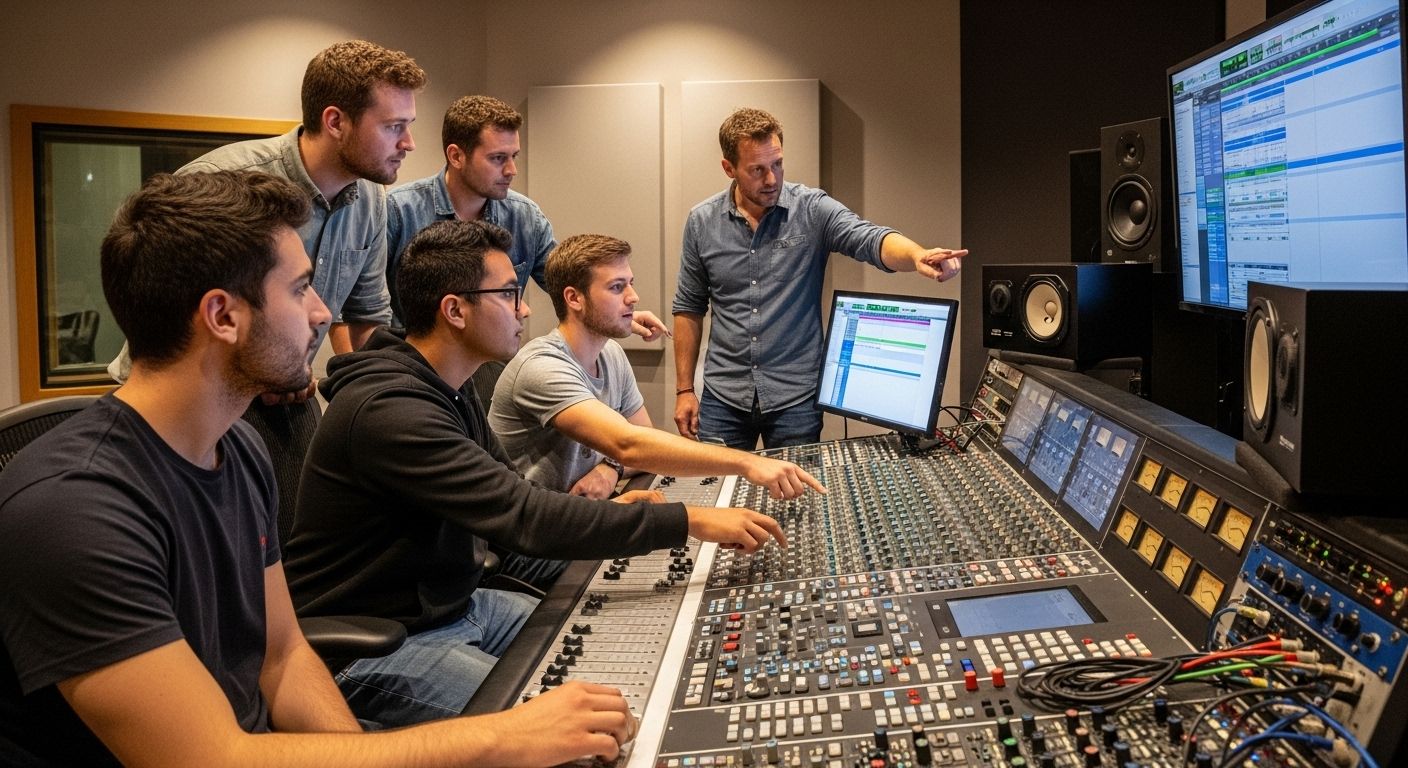
“Can audio engineering be self-taught?”—Google it, and you’ll drown in hot takes. Truth? Yes, you *can* teach yourself recording engineer courses-level skills… but it’ll take 3x longer, and you’ll miss foundational concepts that prevent costly mistakes. Think of it like learning to drive by watching Fast & Furious—you might get down the road, but you won’t know *why* your engine’s smoking. Formal recording engineer courses compress years of hard knocks into semesters, saving your ears (and your reputation) from rookie blunders.
Job Outlook: Are Recording Engineers Actually in Demand?
Good news, gearhead: the demand for skilled audio pros is climbing. With podcasts, indie artists, film scoring, and gaming audio booming, there’s never been more need for folks who speak “mic preamp” and “reverb tail” fluently. The U.S. Bureau of Labor stats project a 8% growth in sound engineering jobs through 2030—faster than average. And here’s the kicker: studios *prefer* candidates with formal training, meaning recording engineer courses grads often skip the line. So yeah, if you’ve got ears and hustle, the industry’s got a seat with your name on it.
Money Talk: Do Recording Engineers Make Good Cash?
Let’s bust the starving-artist myth: audio engineers *can* stack paper—if they hustle smart. Entry-level gigs might pay $25–$40/hour, but seasoned pros working with labels or in post-production pull $80K–$150K+ annually. Freelancers? Even more, if they brand well. And recording engineer courses help you level up faster: grads often land assistant roles that lead to chief engineer spots. Plus, many engineers diversify—mixing, mastering, teaching, even gear consulting. So while it ain’t crypto riches, recording engineer courses open doors to a sustainable, soul-feeding career that pays rent *and* respects your art.
Global Hotspots for Top-Tier Recording Engineer Courses
New York, LA, Nashville—classic hubs, sure. But don’t sleep on cities like Austin, Atlanta, or even Berlin; they’re audio goldmines with hungry scenes and lower rent. And schools? Think Full Sail, Berklee, SAE Institute, or even community colleges with killer media arts depts. What matters isn’t the zip code—it’s whether the recording engineer courses offer real studio access, mentorship, and portfolio development. Because at the end of the day, your reel speaks louder than your diploma… but a diploma from a respected program? That gets your reel *heard*.
How to Choose the Right Recording Engineer Courses Without Getting Played
Not all recording engineer courses are created equal. Some are glorified software demos; others are legit pipelines to the industry. Red flags? No access to analog gear, instructors with zero credits, or promises of “fame in 6 weeks.” Green flags? Student albums on Spotify, internship placements, and alumni working at real studios. Also, sit in on a class if you can—vibes matter. And hey, while you’re researching, peep what Suzzanne Douglas says about creative education, dive into the Education section for more career insights, or check out our deep dive on MBA Music Industry Business Edge if you’re thinkin’ big-picture biz.
Frequently Asked Questions
How do you become a recording engineer?
To become a recording engineer, most pros start with formal recording engineer courses that blend technical training with hands-on studio experience. While self-teaching is possible, accredited programs accelerate your learning, provide industry connections, and help you avoid costly mistakes. Internships, assistant roles, and building a strong portfolio are also key steps—so enrolling in reputable recording engineer courses is often the smartest launchpad.
Do recording engineers make good money?
Yes—especially with experience and the right network. Entry-level engineers might earn modest hourly rates, but those who complete solid recording engineer courses and climb to senior roles can make $80,000–$150,000+ USD annually. Freelancers and specialists in high-demand niches (like film or gaming audio) often earn even more. So while it’s not overnight riches, skilled engineers with training from quality recording engineer courses can absolutely build lucrative, sustainable careers.
Can audio engineering be self-taught?
Technically, yes—but it’s a long, bumpy road. Self-taught engineers often miss foundational concepts taught in structured recording engineer courses, leading to gaps in knowledge that affect sound quality and professional credibility. While DIY learning works for hobbyists, those serious about a career benefit massively from the mentorship, gear access, and industry validation that formal recording engineer courses provide.
Are recording engineers in demand?
Absolutely. With the explosion of podcasts, indie music, streaming content, and immersive audio for gaming and VR, skilled recording engineers are more in demand than ever. The U.S. Bureau of Labor Statistics projects 8% job growth through 2030—above average—and studios increasingly prefer candidates with formal training. Completing recognized recording engineer courses significantly boosts your hireability in this thriving, evolving field.
References
- https://www.bls.gov/ooh/media-and-communication/audio-and-video-technicians.htm
- https://www.berklee.edu/academics/programs/music-production-and-engineering
- https://www.fullsail.edu/degrees/recording-arts
- https://www.sae.edu/courses/audio-production