Classic TV Comedy Shows: Vintage Laughs
Table of Contents
Classic TV Comedy Shows
The Golden Age of Sitcoms: Why Laughter Was King
Back when rabbit ears ruled the rooftop and “buffering” meant your grandpa telling war stories, classic TV comedy shows weren’t just entertainment—they were ritual. Families gathered like medieval clans around the glowing altar of the cathode-ray tube, waiting for that familiar laugh track to cue up another slice of life served with punchlines. The ‘50s to ‘80s? That was the era where sitcoms weren’t trying to reinvent the wheel—they just polished it till it shined like grandma’s Sunday gravy pot. From “I Love Lucy” flipping tables in candy factories to “The Jeffersons” movin’ on up, classic TV comedy shows reflected America’s hopes, fears, and hilariously outdated hairdos—all while making us snort-laugh into our Tang.
Defining the All-Time Greats: What Makes a Comedy Timeless
So what separates a forgettable gag reel from a classic TV comedy show that’s still quoted at Thanksgiving dinners in 2025? Heart, baby. And timing. These shows had characters so real you’d swear they’d borrow your lawnmower. Take “M*A*S*H”—sure, it had zingers, but it also packed emotional gut-punches between surgical scenes. Or “Cheers,” where everybody knew your name *and* your existential dread. Timelessness in classic TV comedy shows isn’t about outdated slang or bell-bottoms—it’s about universal truths wrapped in a whoopee cushion. Even if you’ve never lived in a Brooklyn tenement or a Kansas farmhouse, you *get* the love, the chaos, the “oh-crap-I-burnt-the-meatloaf” moments. That’s the secret sauce.
Ratings Royalty: Which Classic Comedy Drew the Biggest Crowds
Let’s talk numbers, y’all. In 1983, over 106 million viewers tuned in to watch the final episode of “M*A*S*H”—that’s like the entire population of Germany, plus their pets, all glued to one screen. “Cheers,” “The Cosby Show,” and “Seinfeld” weren’t just hits; they were cultural tsunamis. These classic TV comedy shows didn’t just dominate Nielsen ratings—they shaped watercooler convos, fashion trends (looking at you, “Happy Days” leather jackets), and even parenting styles. When “The Cosby Show” aired, it quietly rewrote the script on Black family representation on television, all while dropping dad jokes smoother than velvet. So yeah, when folks ask about the most-watched comedy TV series, the answer’s not just a stat—it’s a time capsule of collective joy.
Laugh Tracks and Live Audiences: The Sound of Humor
Ain’t nothin’ quite like the *ha-ha-ha* of a well-placed laugh track—even if it’s kinda creepy when you think about it. But here’s the tea: not all classic TV comedy shows relied on those pre-recorded giggles. “I Love Lucy” famously filmed before a live studio audience, so every belly laugh you hear? That’s 100% organic, farm-to-table amusement. Meanwhile, shows like “Gilligan’s Island” leaned heavy on the canned stuff—sometimes so aggressively you’d swear the coconut radio was chuckling. Critics may side-eye the laugh track now, but back in the day? It was the invisible co-star of every classic TV comedy show, cueing us when to snort, snicker, or full-on wheeze into our Jell-O molds.
Iconic Duos and Ensembles: The Faces Behind the Funny
From Lucy & Ricky’s chaotic chemistry to Ross & Rachel’s will-they-won’t-they rollercoaster (okay, fine, “Friends” skirts the edge of *classic* but we’ll allow it), the magic of classic TV comedy shows lived in its casts. Remember George & Weezy Jefferson sashaying into their deluxe apartment? Or Fonzie giving that silent thumbs-up that somehow said, “Ayyy, life’s good”? These weren’t just actors—they were emotional support humans before the term existed. Their timing, their quirks, their ability to turn a burnt casserole into high drama… that’s the alchemy of great sitcoms.
Writing That Winks: The Art of the Sitcom Script
Behind every “Oh, brother!” and “D’oh!” was a room full of sleep-deprived writers armed with coffee, crumpled paper, and an uncanny ability to turn marital spats into metaphors for Cold War tensions. The brilliance of classic TV comedy shows lay in their layered writing—simple enough for kids, sharp enough for adults. Take “All in the Family”: Archie Bunker’s rants weren’t just boomer rage—they were social commentary wrapped in polyester suits. And “The Mary Tyler Moore Show”? It smuggled feminism into prime time with a hat toss and a killer smile. These classic TV comedy shows proved that laughter could be both light and illuminating—a flashlight in the dark, powered by puns.
Fashion Faux Pas and Furniture: From Shag Carpets to Corduroy
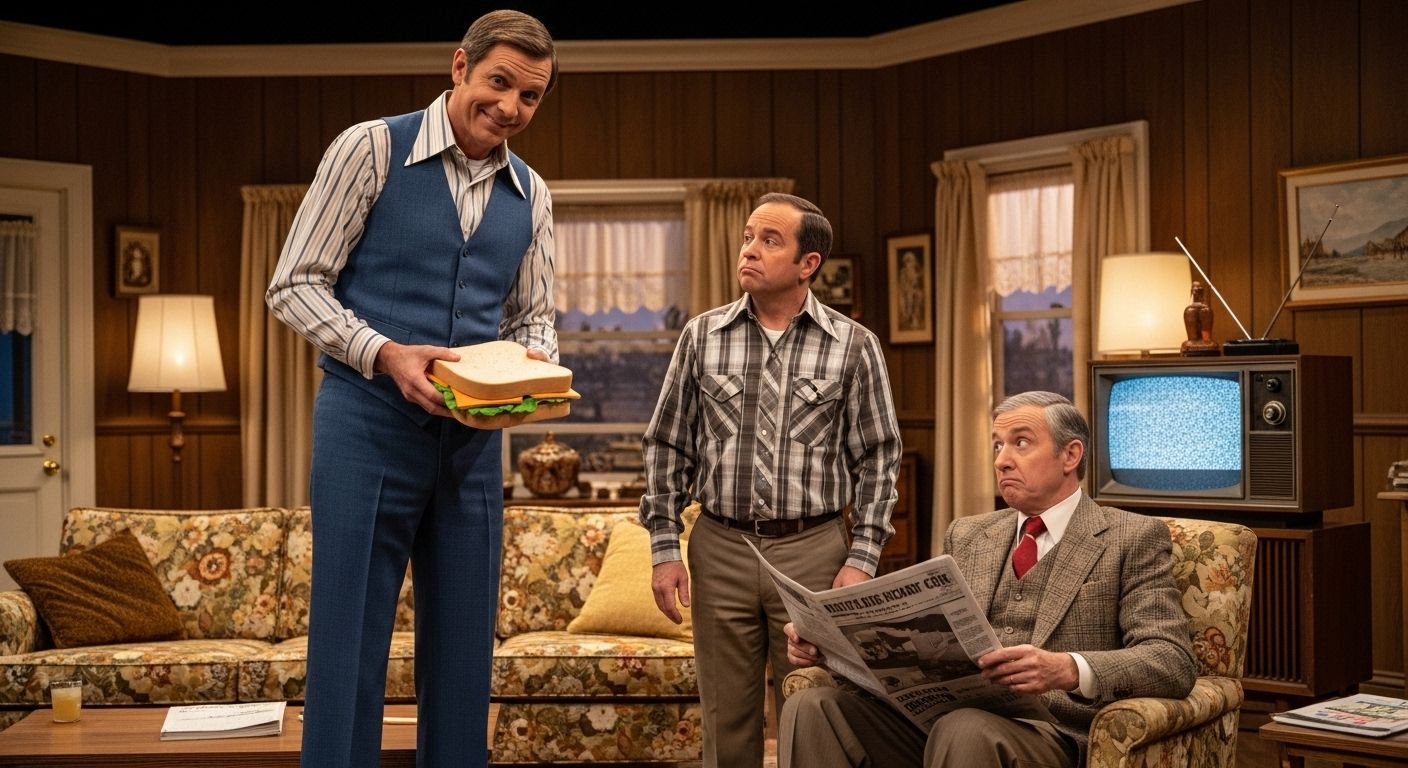
Let’s be real—half the joy of rewatching classic TV comedy shows is the fashion roast session that follows. Those wide lapels? Those avocado-green kitchen appliances? That couch pattern that looks like it lost a fight with a glitter bomb? Iconic. The set design and wardrobe of classic TV comedy shows weren’t just background—they were period pieces screaming “1976!” from every crocheted pillow. Yet, weirdly, it all works. Because in the world of “The Brady Bunch” or “Three’s Company,” bad taste becomes charming nostalgia. We don’t laugh *at* the orange shag carpet—we laugh *with* it, like it’s an old friend who still wears bell bottoms unapologetically.
The Global Echo: How American Sitcoms Conquered the World
You think “Friends” is big on Netflix Dubai? Try telling that to a 1980s kid in Tokyo who knew every word of “The Wonder Years” in Japanese dub. Classic TV comedy shows didn’t just dominate U.S. airwaves—they became export gold. “I Love Lucy” aired in over 90 countries. “Seinfeld” got subtitled in Swahili. There’s something universally human about George Costanza’s petty rants or Kramer sliding into a room like a caffeinated flamingo. These classic TV comedy shows translated not just language, but emotion—proving that awkwardness, familial chaos, and the eternal struggle to parallel park are borderless experiences.
Streaming the Past: Why We Still Binge Vintage Laughs
In a world of algorithm-curated doomscrolling, there’s comfort in hitting play on a 45-minute episode of “The Dick Van Dyke Show” where problems get solved before the credits roll. No cliffhangers. No trauma dumps. Just clean(ish) humor and closure. Platforms like Pluto TV and Tubi have made classic TV comedy shows more accessible than ever—free, ad-supported, and oddly therapeutic. During lockdown? Rewatching “Cheers” felt like hugging a warm blanket made of barstools and witty banter. That’s the power of classic TV comedy shows: they’re emotional safe spaces disguised as entertainment.
Honoring the Legacy: Where to Go From Here
So, what’s next for fans of classic TV comedy shows? Keep watching. Keep sharing. Introduce your Gen Alpha cousins to Lucy stomping grapes or Andy Taylor dispensing small-town wisdom. The spirit of these shows lives not just in reruns, but in modern sitcoms that pay homage—think “Ted Lasso” channeling “The Mary Tyler Moore Show”’s optimism. Dive deeper at Suzzanne Douglas, explore our curated vault of timeless humor at the Films category, or check out our latest deep-dive in Best Netflix Sitcoms Top Picks. The laughter train ain’t stopping—it’s just picking up new passengers.
Frequently Asked Questions
What is considered the best comedy show of all time?
While “best” is subjective, critics and audiences consistently rank classic TV comedy shows like “Seinfeld,” “The Simpsons,” and “I Love Lucy” at the top. Their sharp writing, cultural impact, and timeless humor cement them as all-time greats in the pantheon of classic TV comedy shows.
What is the most watched comedy TV series?
The series finale of “M*A*S*H” holds the record as the most-watched U.S. broadcast ever, with over 106 million viewers. This landmark moment underscores how classic TV comedy shows could unite the nation in shared emotion—laughter, tears, and all.
What is considered the best comedy of all time?
When considering film and TV together, many point to works like “Some Like It Hot” or “Dr. Strangelove”—but on the small screen, classic TV comedy shows like “The Mary Tyler Moore Show” and “All in the Family” blend humor with social insight so masterfully, they’re often hailed as the pinnacle of comedic storytelling.
What is the #1 sitcom of all time?
Many polls, including those by TV Guide and Rolling Stone, crown “Seinfeld” as the #1 sitcom—calling it “a show about nothing” that somehow captured everything. Still, fans of classic TV comedy shows from earlier decades might argue passionately for “I Love Lucy” or “The Dick Van Dyke Show” as the true OGs.
References
- https://www.britannica.com/art/history-of-television
- https://www.pbs.org/wgbh/americanexperience/features/tv-early-days
- https://www.history.com/topics/inventions/history-of-television
- https://www.emmys.com/history/classic-tv-moments