Audio and Sound Engineering Schools: Elite Training
- 1.
What Makes a School Truly Elite in the World of audio and sound engineering schools?
- 2.
The Degrees That Actually Move the Needle in audio and sound engineering schools
- 3.
Breaking Down the Top Contenders Among audio and sound engineering schools
- 4.
Is the Investment in audio and sound engineering schools Actually Worth It?
- 5.
Why Faculty Experience Trumps Fancy Gear in audio and sound engineering schools
- 6.
Hands-On Learning: The Backbone of audio and sound engineering schools
- 7.
Location, Location, Location: How Geography Shapes Your audio and sound engineering schools Experience
- 8.
The Hidden Curriculum: Networking in audio and sound engineering schools
- 9.
Specialization Tracks: Finding Your Niche Within audio and sound engineering schools
- 10.
From Classroom to Control Room: How audio and sound engineering schools Launch Careers
Table of Contents
audio and sound engineering schools
What Makes a School Truly Elite in the World of audio and sound engineering schools?
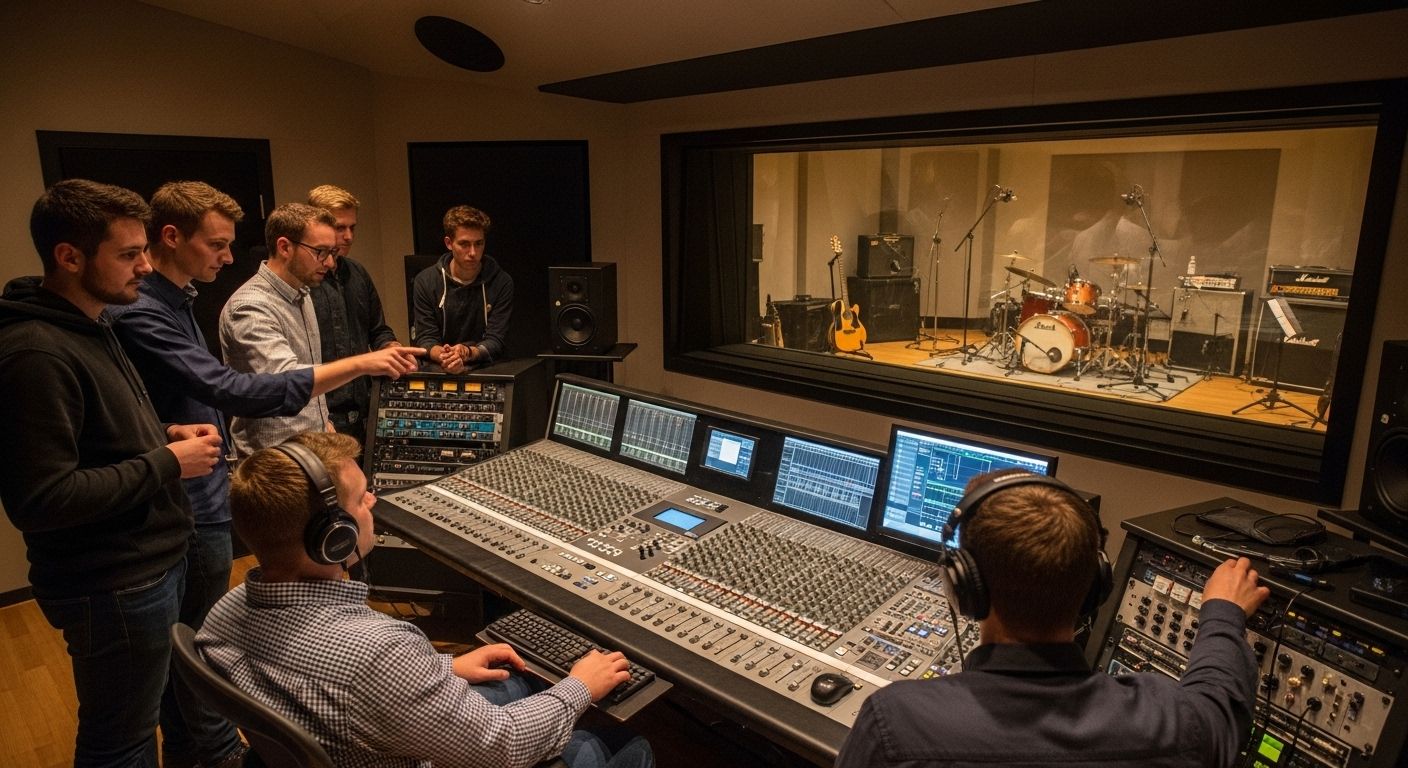
Ever walked into a studio and felt like the walls were whisperin’ sweet nothings straight into your soul? Yeah, that’s the magic we’re chasin’—and it all starts with the right audio and sound engineering schools. Not all institutions are created equal, y’know. Some schools just hand you gear and say “figure it out, kid,” while others wrap you in mentorship, analog warmth, and a community that bleeds for the same frequencies you do. What sets the elite apart is a combo of legacy, faculty who’ve spun gold on actual records, and studios packed with Neve consoles, vintage mics, and gear that costs more than your first car. In places like L.A., Nashville, or even tucked-away gems in Brooklyn, audio and sound engineering schools don’t just teach you how to push faders—they teach you how to listen. And lord knows, in a world of algorithm-curated playlists, real listening is a dying art.
The Degrees That Actually Move the Needle in audio and sound engineering schools
Let’s get real—do you need a bachelor’s to track a kick drum? Nah. But if you wanna walk into Abbey Road or Electric Lady Studios without lookin’ like you just rolled off a SoundCloud rant, a solid degree from a reputable audio and sound engineering schools program can open doors faster than a bass drop at Coachella. Most top-tier audio and sound engineering schools offer Associate’s, Bachelor’s, and even Master’s degrees with tracks in music production, live sound, acoustics, or game audio. The Bachelor of Science in Audio Engineering? That one’s the golden ticket for many. It blends physics, ear training, digital signal processing, and creative composition. But here’s the kicker: the best audio and sound engineering schools don’t just cram theory—they plug you into internships, label collabs, and real sessions before you’ve even paid off your coffee tab.
Breaking Down the Top Contenders Among audio and sound engineering schools
If you asked ten pros where they’d send their younger sibling to study, you’d probably hear Berklee, Full Sail, SAE Institute, or maybe even NYU Steinhardt pop up more than once. These aren’t just names—they’re institutions where Grammy winners once flunked a quiz on phase cancellation (hey, we’ve all been there). Take Berklee College of Music, for instance. It ain’t cheap—tuition’s hoverin’ around $55,000 USD a year—but their audio and sound engineering schools curriculum is woven into Boston’s sonic DNA. Meanwhile, Full Sail University in Florida runs a 20-month accelerated B.S. that gets you studio-ready fast. Over in Europe, SAE’s branches in London and Berlin have churned out engineers who’ve mixed for Dua Lipa and Arca. So yeah, when we talk “best” audio and sound engineering schools, it’s less about rankings and more about fit. Are you a synth nerd? A live-sound hustler? A podcast whisperer? Your vibe dictates your school.
Is the Investment in audio and sound engineering schools Actually Worth It?
Okay, let’s cut through the reverb: tuition at top audio and sound engineering schools can run you up to $60,000 USD per year. That’s a lotta ramen skipped and gigs taken just to pay interest. But before you scream “scam!”, consider this—grads from elite audio and sound engineering schools often land internships that turn into paid gigs within a year. According to the Bureau of Labor Statistics, the median annual wage for sound engineering technicians sits around $60,000 USD, with top 10% earners pulling six figures. Plus, let’s not forget the intangibles: your network, your taste, your ear. You can’t YouTube your way into understanding how to mic a 50-piece orchestra or troubleshoot a ground loop on a festival stage. audio and sound engineering schools give you the sandbox to fail gloriously—and learn fast.
Why Faculty Experience Trumps Fancy Gear in audio and sound engineering schools
Yeah, sure, that SSL Duality console looks slick, but if the only person who knows how to patch it is a TA who’s never cut a vinyl, you’re toast. The real soul of any top audio and sound engineering schools lies in its instructors. We’ve heard stories—like that adjunct professor at USC who engineered sessions for Prince, or the woman at Middle Tennessee State who designed sound systems for Beyoncé’s tours. These folks don’t just lecture; they critique your mixes like they’re prepping for a mastering session. They’ll tell you your snare’s phasing out like you stole their lunch money. And that tough love? That’s gold. Because in the real world, clients don’t care if you got an A—they care if the vocal sits right in the track. So next time you’re comparing audio and sound engineering schools, peek behind the gear list and ask: who’s teachin’?
Hands-On Learning: The Backbone of audio and sound engineering schools
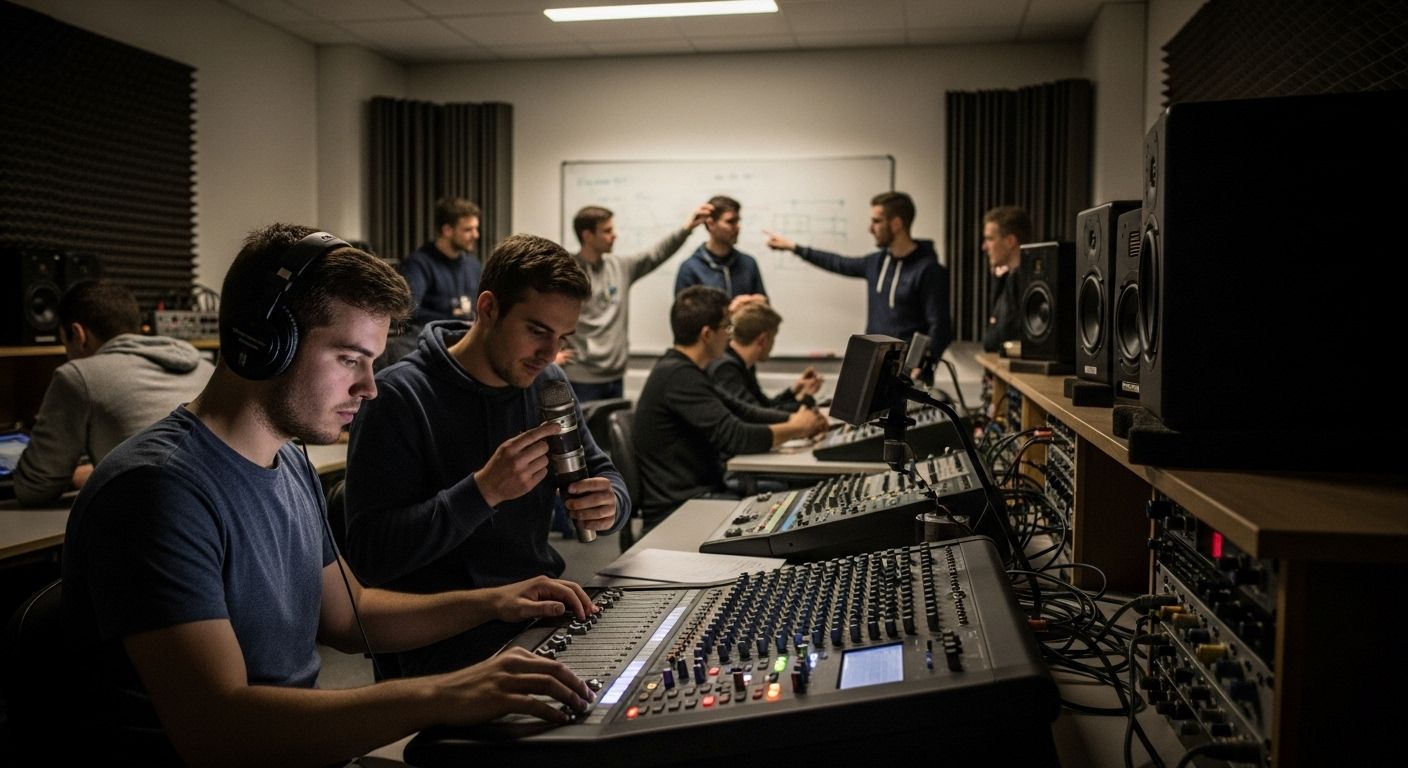
No amount of textbook theory can prep you for the moment a vocalist drops a vocal take so raw it makes your eyes water—and your DAW crashes. That’s why the best audio and sound engineering schools treat studios like living labs. Students don’t just observe; they run sessions, patch consoles, troubleshoot feedback on live rigs, and even learn how to cable-wrap like it’s an Olympic sport. At institutions like the Conservatory of Recording Arts & Sciences (CRAS) in Arizona, learners spend over 70% of their time in hands-on labs. You’re not just studying audio and sound engineering schools curriculum—you’re living it. And that muscle memory? That’s what gets you hired when the gig’s at 3 a.m. and the monitor engineer’s MIA.
Location, Location, Location: How Geography Shapes Your audio and sound engineering schools Experience
You think Nashville’s just about cowboy boots and country twang? Think again. That city breathes music like oxygen—and its audio and sound engineering schools are embedded in a scene that cranks out chart-toppers daily. Same goes for L.A. If you’re in a audio and sound engineering schools program in Hollywood, you’re minutes from sessions with indie bands, scoring stages for Netflix shows, and underground raves where the bass shakes your fillings loose. Even cities like Austin or Atlanta offer distinct sonic identities that shape how you learn. Bottom line: your school’s zip code ain’t just an address—it’s your first gig’s networking radius.
The Hidden Curriculum: Networking in audio and sound engineering schools
Let’s keep it a buck—half the reason you go to audio and sound engineering schools is for the crew you build. Your lab partner today might be the producer dropping a viral track tomorrow. Your TA could hook you up with a backstage pass to mix FOH at Lollapalooza. At top audio and sound engineering schools, connections aren’t just encouraged—they’re baked into the syllabus. Guest lectures from mixers, masterclasses with mastering engineers, and collab projects with film or game design departments mean you’re constantly bumpin’ into your future collaborators. And in an industry where “who you know” sometimes matters more than “what you know,” those hallway convos after a failed mic test might just land you your first real credit.
Specialization Tracks: Finding Your Niche Within audio and sound engineering schools
Not everyone’s dreamin’ of mixing Drake vocals. Some folks wanna design immersive soundscapes for VR worlds. Others live for tuning PA systems at Coachella. That’s why modern audio and sound engineering schools offer specialization tracks—game audio, broadcast, live sound, post-production, even spatial audio for AR/VR. At NYU’s Music Technology program, you can dive into psychoacoustics. At Full Sail, there’s a whole course on surround mixing for film. The best audio and sound engineering schools don’t force you into one box—they help you carve your own. ‘Cause let’s be real: the future of sound ain’t one-dimensional.
From Classroom to Control Room: How audio and sound engineering schools Launch Careers
Graduation ain’t the finish line—it’s the first downbeat. The top audio and sound engineering schools don’t just hand you a diploma and wave goodbye. They’ve got career centers that hook you with internships at studios like Electric Feel or Sony Music. Some even guarantee job placement or portfolio reviews with industry pros. And let’s not forget the alumni network—grads from places like Berklee or SAE often get first dibs on gigs through private Slack groups or mentorship boards. If you’re serious about this life, you’re not just enrolling in audio and sound engineering schools—you’re buying a lifetime backstage pass. So go ahead, dive in. Just don’t forget to mute your mic when you’re eatin’ chips during a Zoom session. Suzzanne Douglas, Education, and Masters in Sound Engineering Advanced Tech got your back.
Frequently Asked Questions
What school is best for audio engineering?
The “best” audio and sound engineering schools depend on your goals, but Berklee College of Music, Full Sail University, and SAE Institute consistently rank high for their hands-on curriculum, industry-connected faculty, and access to professional-grade studios. Each offers unique strengths—Berklee for music integration, Full Sail for accelerated tech tracks, and SAE for global mobility.
What is the best degree for audio engineering?
A Bachelor of Science in Audio Engineering or Music Production is widely regarded as the most versatile degree from top audio and sound engineering schools. It blends technical training in acoustics and signal flow with creative coursework in mixing, mastering, and composition—giving grads the flexibility to work across music, film, gaming, and live sound.
Which institute is best for Sound Engineering?
Institutes like the Conservatory of Recording Arts & Sciences (CRAS), Middle Tennessee State University (MTSU), and New York University’s Music Technology program are standout choices among audio and sound engineering schools. CRAS emphasizes real-world studio immersion, MTSU boasts one of the largest recording complexes in the U.S., and NYU merges sound with cutting-edge research in spatial audio and AI.
Is it worth going to school for audio engineering?
Yes—if you pick the right audio and sound engineering schools. While self-taught engineers exist, formal education offers structured learning, access to rare gear, mentorship from working pros, and networking that’s hard to replicate outside a classroom. Plus, many employers and clients still value credentials from respected audio and sound engineering schools, especially for competitive roles in post-production or broadcast.
References
- https://www.berklee.edu
- https://www.fullsail.edu
- https://www.sae.edu
- https://www.bls.gov/ooh/media-and-communication/sound-engineering-technicians.htm
- https://www.cras.edu